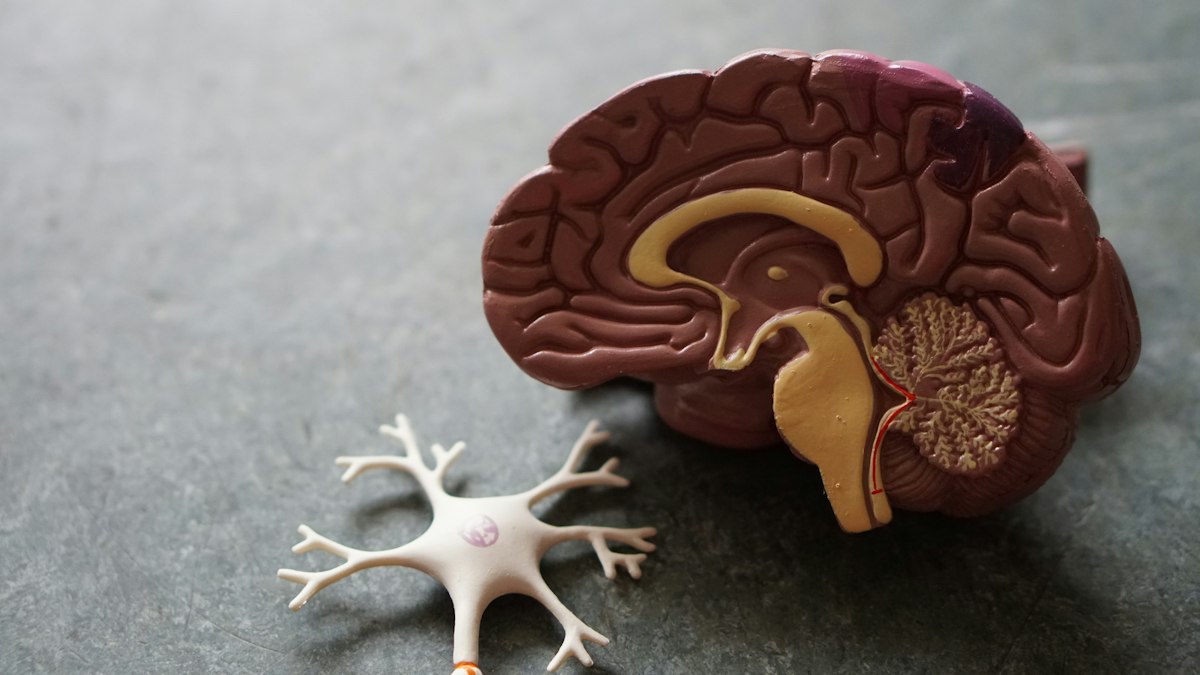
The Ego Depletion Hypothesis
Roy Baumeister and colleagues introduced the concept of ego depletion in 1998, proposing that self-control—a fundamental human capacity for overriding impulses and directing behavior—relies on a limited resource that becomes depleted with use. Like a muscle that fatigues with repeated contraction, the capacity for self-control was hypothesized to diminish temporarily after acts of self-control.
The foundational evidence was striking. In one experiment, participants who had resisted eating cookies (depleted condition) subsequently gave up sooner on an unsolvable puzzle than participants who had been allowed to eat the cookies (non-depleted condition). The depleted group had exerted self-control in resisting temptation, and this appeared to diminish their capacity for subsequent self-control on an unrelated task.
This "strength model" of self-control dominated the field for nearly two decades. The implications were broad: clinicians used ego depletion to explain addiction, overeating, and treatment non-compliance; organizational psychologists used it to explain worker productivity decline over the workday; legal scholars used it to question the validity of decisions made after lengthy interrogations or multiple court appearances.
A meta-analysis by Hagger and colleagues (2010) appeared to confirm the robust effect, reporting an overall effect size of d = 0.64 across 83 studies. However, this very comprehensiveness would later become central to the debate about the effect's validity.
The Prefrontal Cortex Energy Model
The strength model proposed a substrate: the prefrontal cortex requires glucose to function, and self-control uses glucose faster than other cognitive operations. Baumeister and colleagues provided supporting evidence: participants who consumed lemonade with glucose showed less ego depletion than those who consumed lemonade with Splenda, despite identical taste experiences.
Critically, the model proposed a specific resource—not overall cognitive capacity, but the regulatory capacity itself as a limited entity. Gailliot and colleagues (2007) extended this with studies showing that tasks requiring self-control reduced blood glucose levels, and that restoring glucose partially restored self-control capacity.
Neural imaging studies supported the prefrontal cortex's central role. Animal research demonstrated that demanding cognitive tasks depleted cellular energy in prefrontal neurons, with recovery requiring approximately 5-10 minutes. Human studies showed that after self-control demands, prefrontal cortex activation patterns changed in ways consistent with resource limitation.
Decision Quality Degradation Data
A particularly consequential domain for ego depletion research was decision-making. If self-control capacity depletes over the course of a day, then decisions made later in the day—after capacity has been consumed by the demands of daily life—should show measurable degradation.
Danziger and colleagues (2012) studied parole board decisions in Israel and found remarkable evidence for this effect. Judges who heard cases earlier in the session (after breaks, when presumably refreshed) approved approximately 65% of parole requests. This approval rate declined progressively through the session, reaching near zero immediately before food breaks. After eating, the approval rate recovered. This "break-to-break" pattern across a workday demonstrated that decision quality tracked depletion state.
In an experimental paradigm, Vohs and colleagues (2008) had participants make a series of consumer decisions after either a depleted or non-depleted priming task. Depleted participants showed measurable shifts: they were more likely to defer decisions, more likely to choose default options, and more likely to choose options that required less cognitive effort. When given the opportunity to exert effort after depletion, they consistently chose the path of least resistance.
The practical implications extended to professional contexts. Surgeons at the end of long procedures show measurable increases in procedural errors (albeit from a very low base rate). Financial advisors make more conservative recommendations to clients later in the day after multiple prior recommendations have depleted their self-regulatory resources.
The Replication Debate
In 2016, a large multi-site replication study by Yam and colleagues failed to replicate the standard ego depletion paradigm with the expected effect size. The study, involving over 2,000 participants across 20 labs, found an effect size of d = 0.04—not statistically distinguishable from zero and dramatically smaller than the d = 0.64 from the original meta-analysis.
This result ignited intense debate. Proponents of ego depletion noted that the paradigm used (the X paradigm, involving a Stroop task as the depleting task) might not generalize to all depletion paradigms. Critics argued that the failure to replicate, even in this large collaborative effort, suggested the original effect was overestimated due to publication bias and small-sample studies.
Further complicating the picture, subsequent analyses identified moderators. Egil and colleagues (2020) found that ego depletion effects were more likely to emerge in studies where participants believed self-control was limited versus those primed to believe it was abundant. This suggests that beliefs about depletion may contribute to the phenomenology—partially a self-fulfilling prophecy rather than purely a physiological reality.
A 2019 mega-analysis by Vize and colleagues found that while the canonical depletion effects remained elusive in large preregistered studies, ego depletion effects were more reliably observed in specific contexts: when the depleting and target tasks shared cognitive demands, and when participants were explicitly motivated to conserve resources. This "resource matching" perspective suggests ego depletion may be more context-sensitive than originally theorized.
Cognitive Load Perspective
An alternative framework emerged from the cognitive load literature: rather than a general resource that depletes, self-control performance may be better understood as depending on the cognitive load imposed by competing representations. Ingo and colleagues proposed that the feeling of depletion reflects the accumulation of active goals and task-sets in working memory, not a metabolic limit.
Research byETH and colleagues (2019) demonstrated that ego depletion effects could be eliminated by providing participants with a brief "reset" task that engaged the same neural circuits but cleared competing representations. This suggests that what depletes is the maintenance of multiple active goals simultaneously, not the capacity of the self-control system itself.
The glucose hypothesis has also been questioned. Critiques point out that glucose administration might enhance self-control through expectancy effects (participants expect sugar to help) rather than metabolic restoration. Studies attempting to control for expectancy effects have found smaller or absent glucose benefits.
Practical Implications
Despite the replication debates, several practical implications remain well-supported:
Decision scheduling: The pattern observed in parole boards and other sequential decision contexts suggests that important decisions should be scheduled when cognitive freshness is highest—typically morning hours for most individuals, after adequate sleep and before the accumulation of daily demands.
Attention to recovery: Brief breaks involving genuine disengagement (walks, meals, conversation about topics unrelated to work) appear to restore decision-making capacity. The critical variable may be psychological detachment rather than time per se.
Environmental design: Structuring work to reduce the number of low-stakes decisions can preserve capacity for high-stakes decisions. Examples include defaults for retirement contributions, pre-commitment mechanisms, and standardization that reduces the number of choices requiring deliberation.
Recognition of limits: Even if ego depletion is partially belief-driven, the experience is genuine. Individuals who believe they are depleted do show performance decrements—making the management of beliefs about capacity practically relevant regardless of underlying mechanism.